We have been working since 2008
and provide high-quality services
5
Rating based on
reviews from our
customers
Daily from 8:00 to 20:00
We have been working since 2008
and provide high-quality services
5
Rating based on
reviews from our
customers
Daily from 8:00 to 20:00
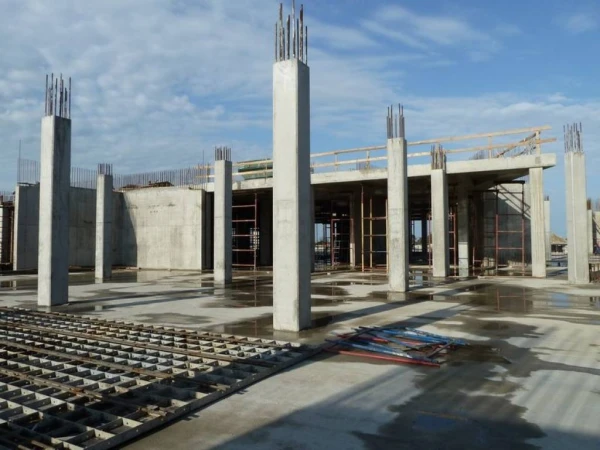
A concrete or reinforced concrete column is a vertical structure found in a building's frame. Its primary function is to transfer the load from the floor to the foundation. These structures vary in their characteristics and can also be used as decorative elements to enhance the building's aesthetic appeal. These structures are used in industrial, residential, and commercial construction.
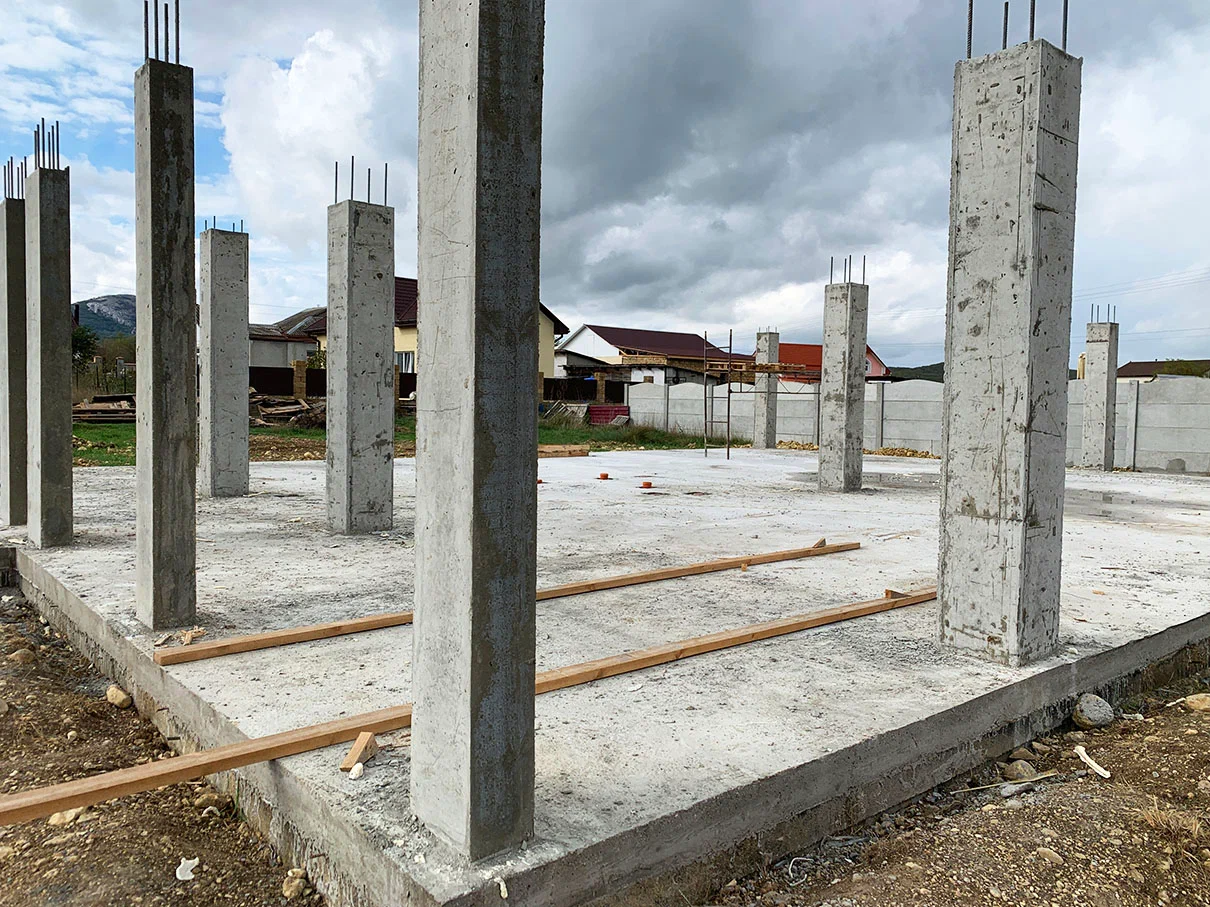
In pouring work, M400 cement is predominantly used to create the working mixture. The classification of such structures takes into account the cross-sectional shape, manufacturing method, structural design, and intended purpose. In terms of cross-sectional shape, they can be rectangular, round, polygonal, or constructed in any configuration. Rectangular shapes are considered the most common, while polygonal variations offer high strength and material savings.
Based on the manufacturing method, columns are divided into prefabricated and monolithic. The former is manufactured in a factory and used in precast structures. A monolithic column is poured directly on the construction site, allowing for the creation of a configuration of any complexity.
Considering the structural design, the following types of concrete columns can be distinguished:
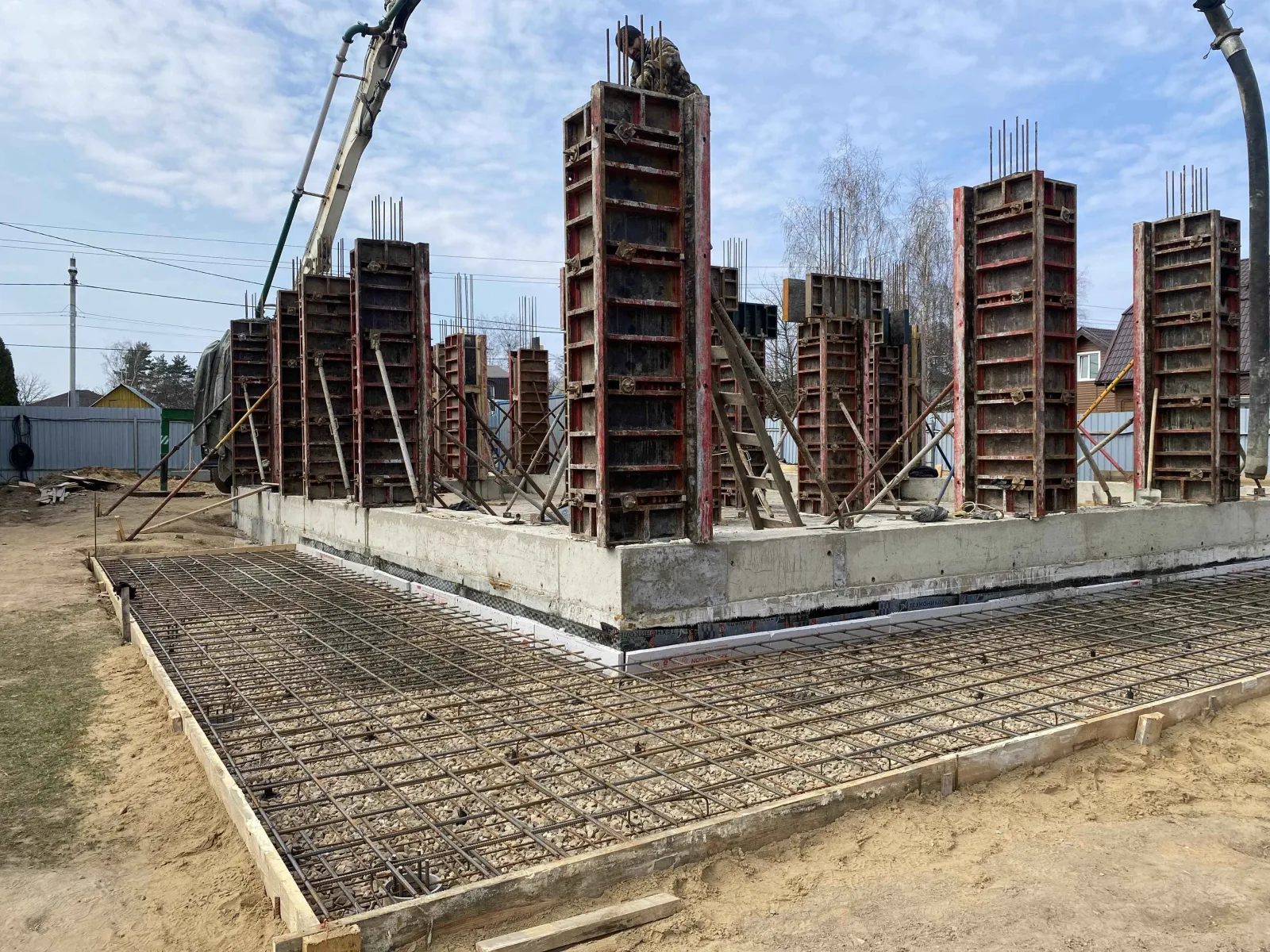
This work requires experienced and highly qualified craftsmen. It is also crucial to adhere to all technical aspects during the process. This is especially necessary if the concrete column serves as a façade architectural feature, as envisioned by the designer and architects. On unstable soils and for supporting structures, a column foundation will be required. Temporary foundations or those with special fasteners do not require a foundation.
The entire process of pouring concrete into a column involves the following steps:
removal of the column formwork, determination of the concrete strength, and surface treatment of the column in accordance with the design concept. This type of work is included in the services offered by professional companies offering turnkey column installation. The advantages of this type of cooperation include structural strength, guaranteed quality work, on-time project completion, and affordable pricing tailored to your individual project.

The final price is determined when submitting a service request after the estimate has been generated. The cost is expressed in linear meters, assuming a specific column format and size. Approximate rates for columns up to 3 running meters are as follows:
If you need to quickly concrete a column, contact only the professional specialists at RСC ALBA.