
We have been working since 2008
and provide high-quality services
5
Rating based on
reviews from our
customers
Daily from 8:00 to 20:00
We have been working since 2008
and provide high-quality services
5
Rating based on
reviews from our
customers
Daily from 8:00 to 20:00
Monolithic concrete flooring is a type of flooring manufactured using a special construction mixture. It is suitable for both industrial and residential spaces due to its user-friendly properties, high surface strength, and stability.
The advantages of concrete flooring include good wear resistance, easy maintenance, and the ability to create a variety of designs using paint and textures. Furthermore, these floors are considered environmentally friendly, making this format extremely popular and practical for many users.
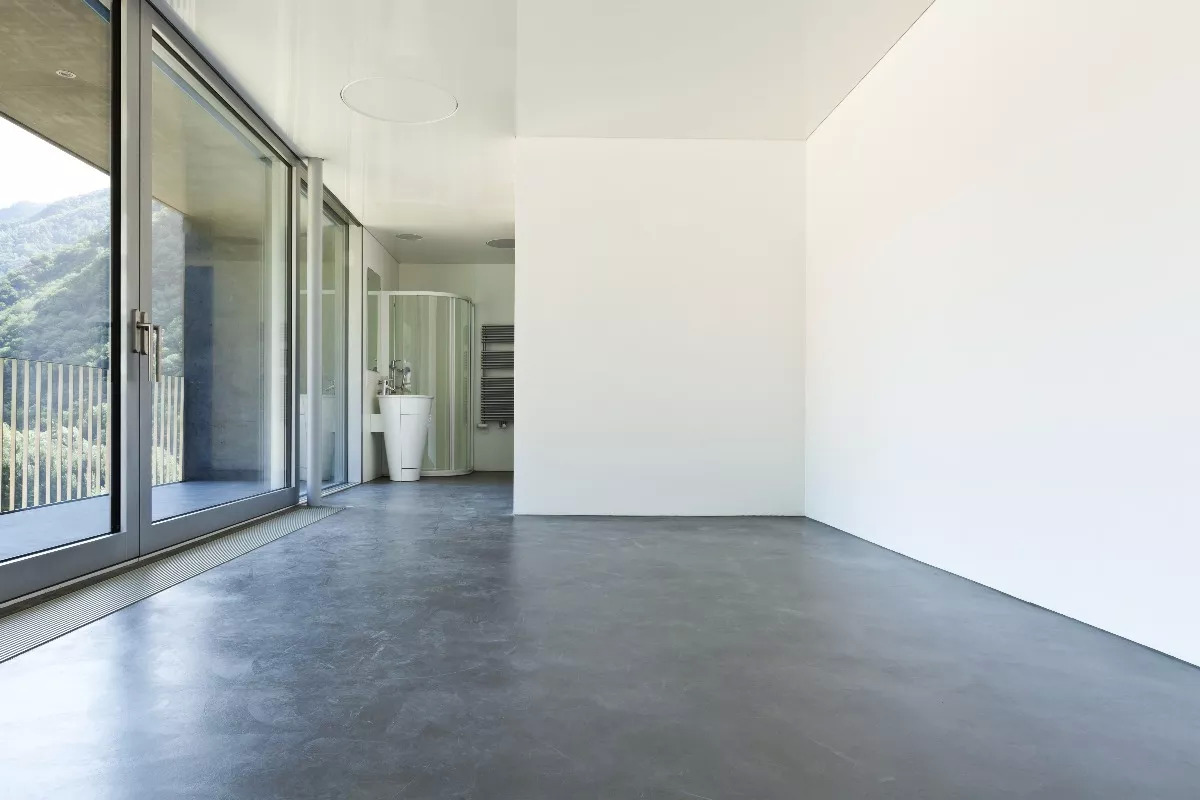
This type of flooring can be used in a variety of settings and for various purposes, for example:
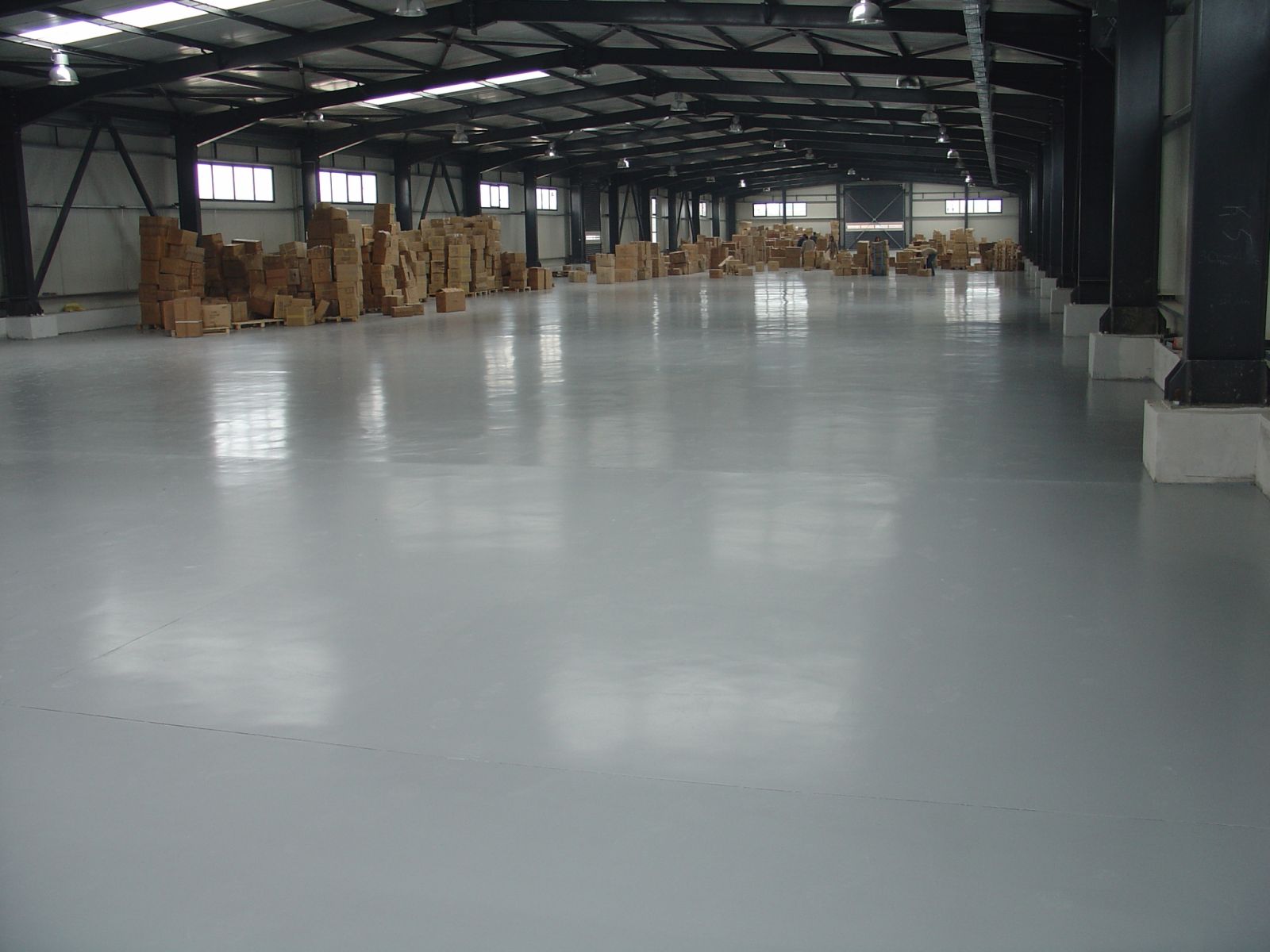
Concrete pouring requires the use of a special technology to create a durable structure with minimal elevation changes. This type of floor can also serve as an additional thermal insulator, provided the pour is thick.
Concrete floors are poured using M400 cement, water, crushed stone, sand, and certain additives, depending on the application. With this in mind, the following types of concrete floors should be distinguished:
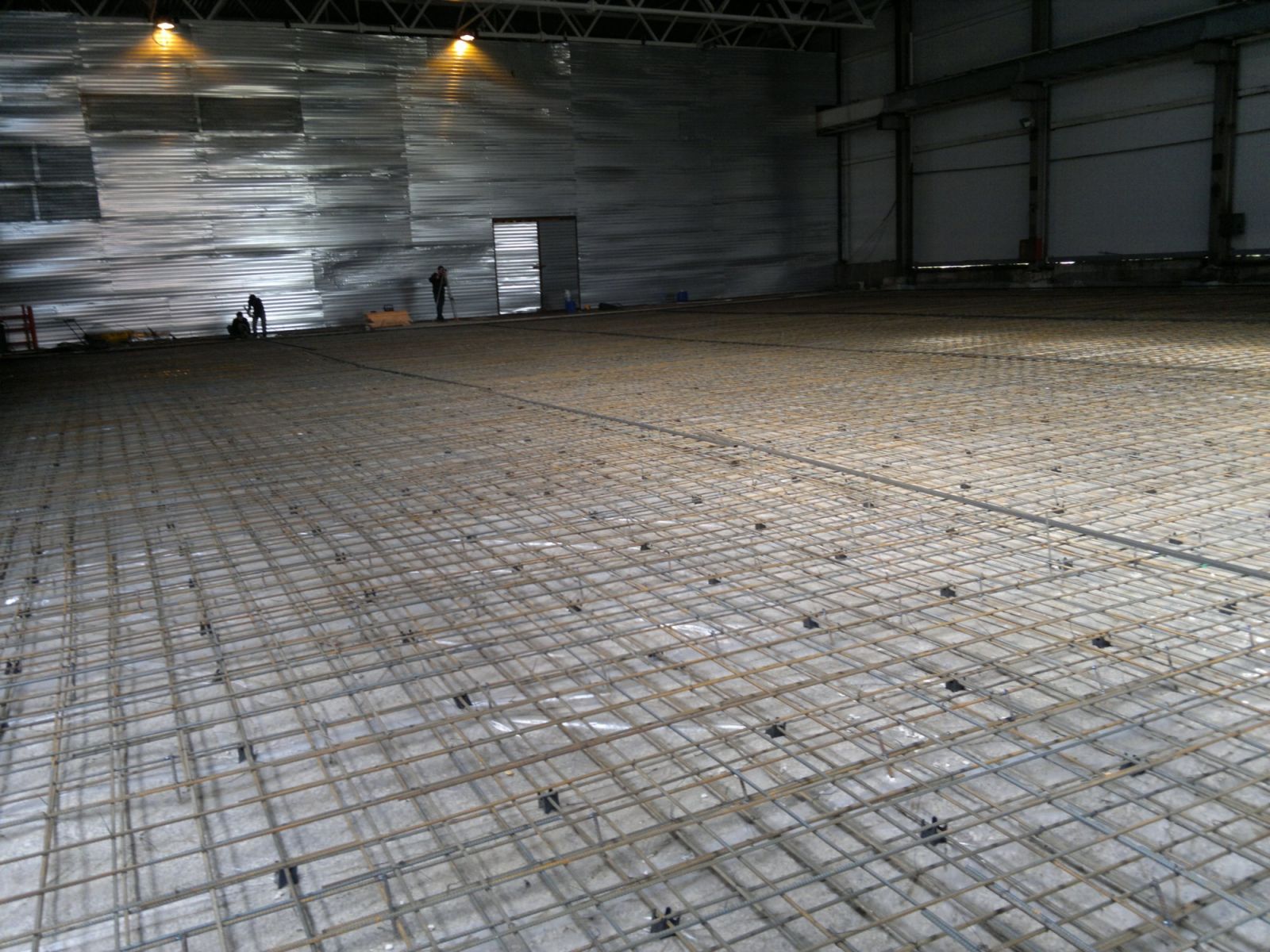
Work begins with preparing the foundation. When preparing the foundation at the pouring site, the top layer must be removed. The pit is treated with bitumen or clay to provide additional waterproofing. Next, a sand and gravel bed must be laid. A recommended layer of gravel is approximately 3-4 cm thick, and sand up to 1.5 cm. When laying the layers, it is extremely important to compact them thoroughly.
For waterproofing the floor, roofing felt can be used, but regular polyethylene film can also be used. Expanded clay or glass wool can be used for thermal insulation, but it is important to correctly calculate the required amount of material for floor insulation.
The final stage is pouring the concrete mix. Begin pouring from the far corner of the room, gradually moving toward the exit. A special floor reinforcing mesh will provide increased strength and resistance to mechanical stress. During the process, the material is carefully compacted to prevent vibration of the concrete.
The final layer must be leveled and smoothed. In this case, you can use a self-leveling compound for the top layer.
A concrete screed is an ideal base for any flooring. If you're unable to handle this process yourself, you can seek professional help. Experienced construction companies provide this service as a turnkey project, ensuring quality, efficiency, and reliability.
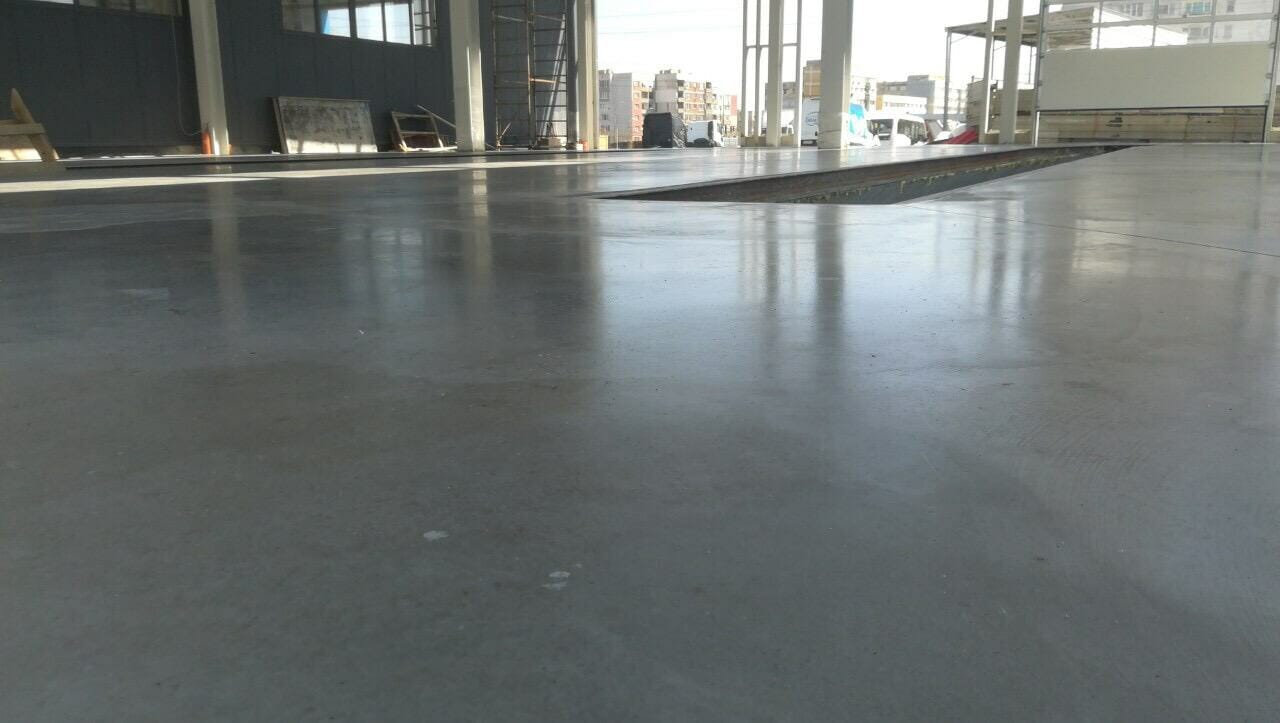
To determine an accurate price, it is necessary to have the input data that will determine the cost of the work. This necessarily includes the type of subfloor for the future floor, the expected loads on the covering, and the specific materials used. The need for waterproofing should also be determined in advance. Approximate prices for work calculated in square meters, taking into account the price per cubic meter of concrete, are as follows:


