We have been working since 2008
and provide high-quality services
5
Rating based on
reviews from our
customers
Daily from 8:00 to 20:00
We have been working since 2008
and provide high-quality services
5
Rating based on
reviews from our
customers
Daily from 8:00 to 20:00
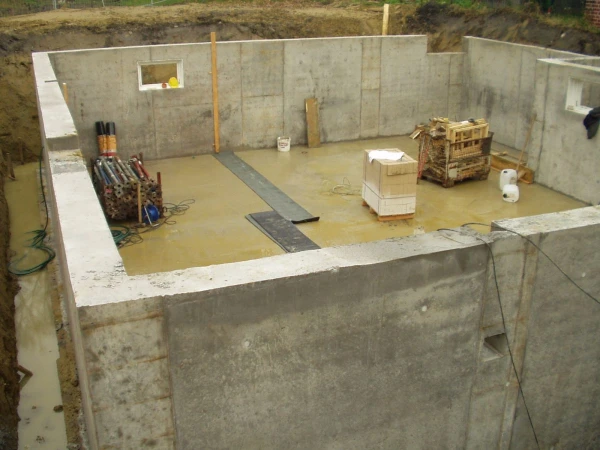
A monolithic basement or cellar is essential for a private home, as this space can not only store supplies but also accommodate a boiler or laundry room, and in modern Ukrainian conditions, provide reliable shelter.
A basement is most often built during the foundation phase of the house. To properly construct such a space, several factors must be taken into account. The basement depth typically ranges from 1.5 to 3 meters, the main parameter depending on the depth of soil freezing. The average temperature inside the basement should be between 2.5 and 8.5°C. It is also important to properly construct the reinforcing frame to create the correct load on the foundation. The diameter of the bars can range from 6-8 to 10-14 mm.
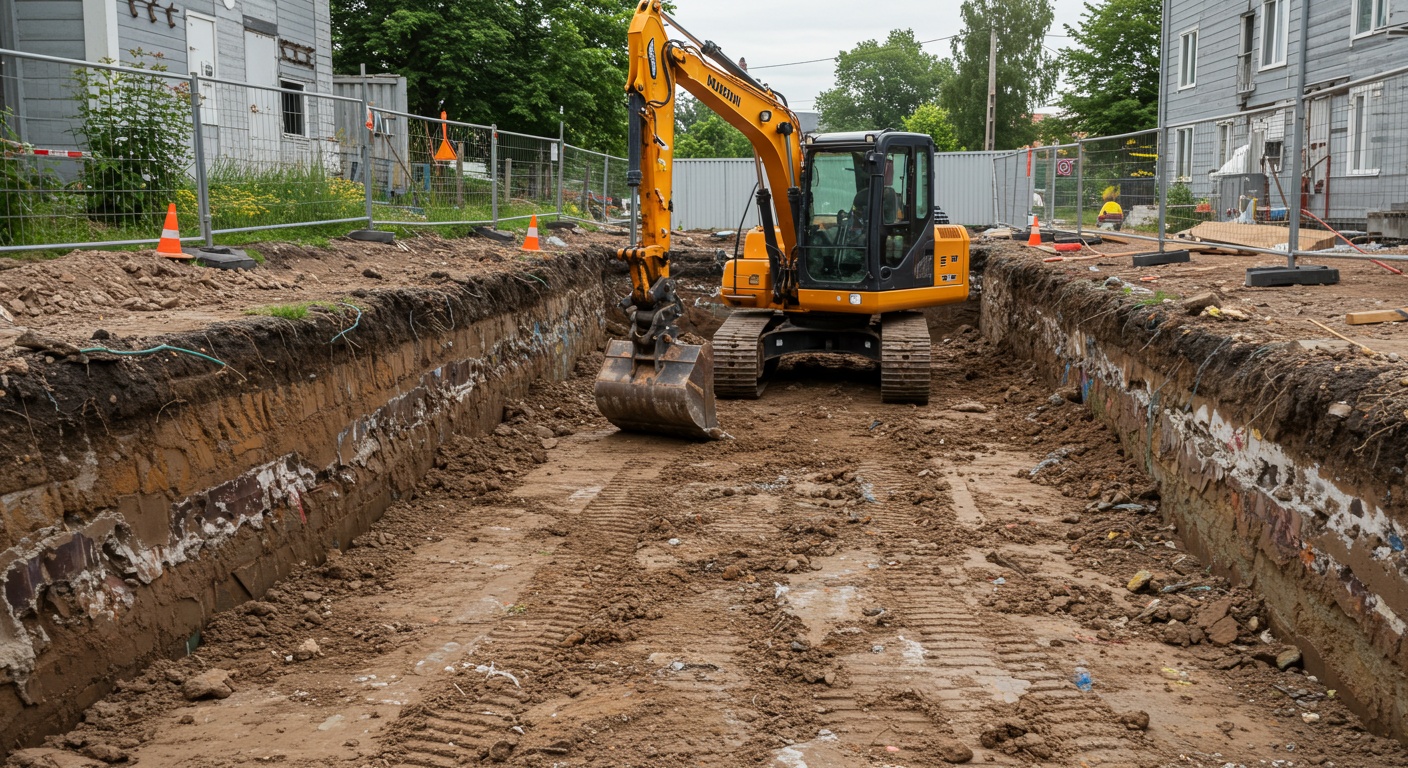
First, a pit of the specified size should be dug. Experts recommend two options for cellar construction. In the first case, the pit is dug with some allowance – it should be larger than the size of the bunker to ensure waterproofing of the walls. The second option involves digging a pit the size of the cellar. In this case, the walls also serve as formwork.
The next step is to construct a frame for monolithic concrete pouring. For this work, use metal pipe supports welded in an L-shape and measuring 80x40 mm. These will form part of the metal frame and determine the exact dimensions of the room. Reinforcement of the walls is carried out using a level, then rebar is driven into the ground and welded to the supports.
The wall thickness should be at least 120 mm. For greater strength, the pipes are filled with concrete mix, prepared using M400 cement. A recess should also be dug in the ground for the ventilation pipe. Basement ventilation is usually provided with a supply pipe and an exhaust pipe. A niche is also made in the wall at the freezing depth level (approximately 80 cm) to supply water and sewerage if necessary.
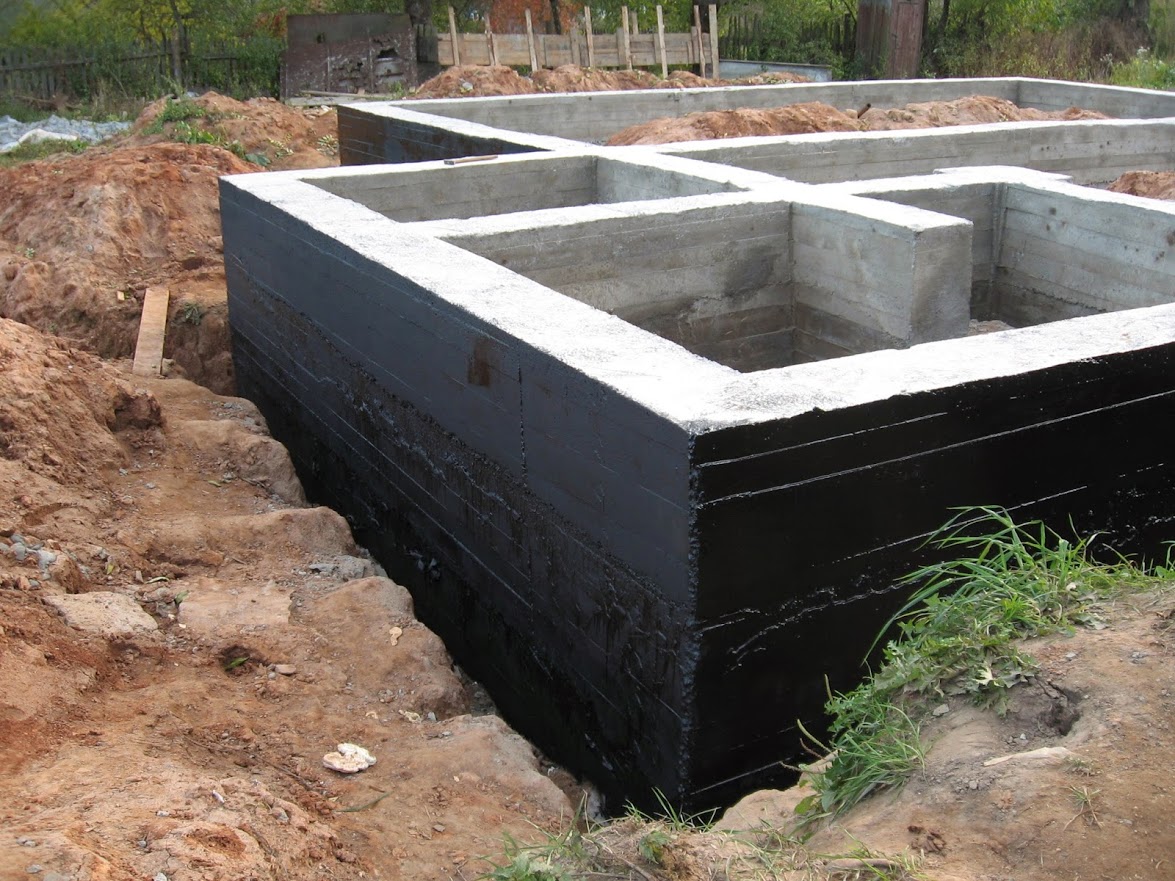
The concrete pouring process itself requires a one-stage process to ensure uniform distribution of the material and the absence of cracks. During the first few days, the structure is wetted with water and covered with polyethylene. The formwork is removed after 10 days; the total curing time for the cement is 28 days. The work at this stage includes the following:
A second option is to install special waterproofing materials on the walls, ceiling, and supporting structures.
Construction work, including pouring the foundation and installing the basement, is offered by professional companies. The best solution is the turnkey construction service from RСС ALBA, which provides the customer with a facility ready for operation.