
We have been working since 2008
and provide high-quality services
5
Rating based on
reviews from our
customers
Daily from 8:00 to 20:00
We have been working since 2008
and provide high-quality services
5
Rating based on
reviews from our
customers
Daily from 8:00 to 20:00
A fence is essential on a private property to enclose the entire area. If homeowners are tasked with building a reliable and durable fence, such a structure will definitely require a foundation. A strong foundation prevents distortion, deformation, and subsidence. Foundations are especially important for heavy brick and stone fences.
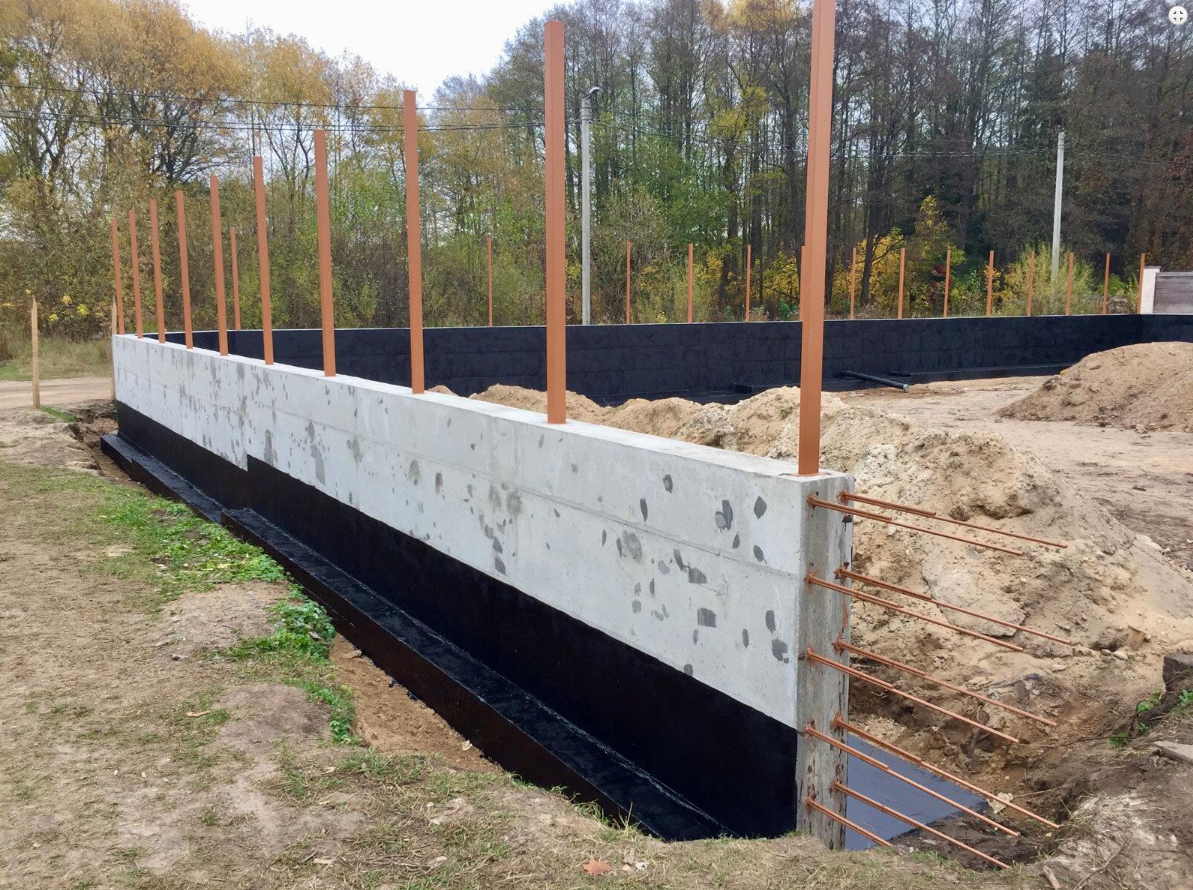
A properly constructed foundation is the key to the long-term operation of the entire fencing structure. It is also an investment in the safety and aesthetics of the entire site. When selecting the foundation type and construction materials, it is essential to consider the criteria of durability, strength, and aesthetics:
It is also crucial to pay attention to the correct calculation of the foundation's length and height to ensure maximum stability. In this case, it is also necessary to consider the climatic conditions and the need for proper drainage.
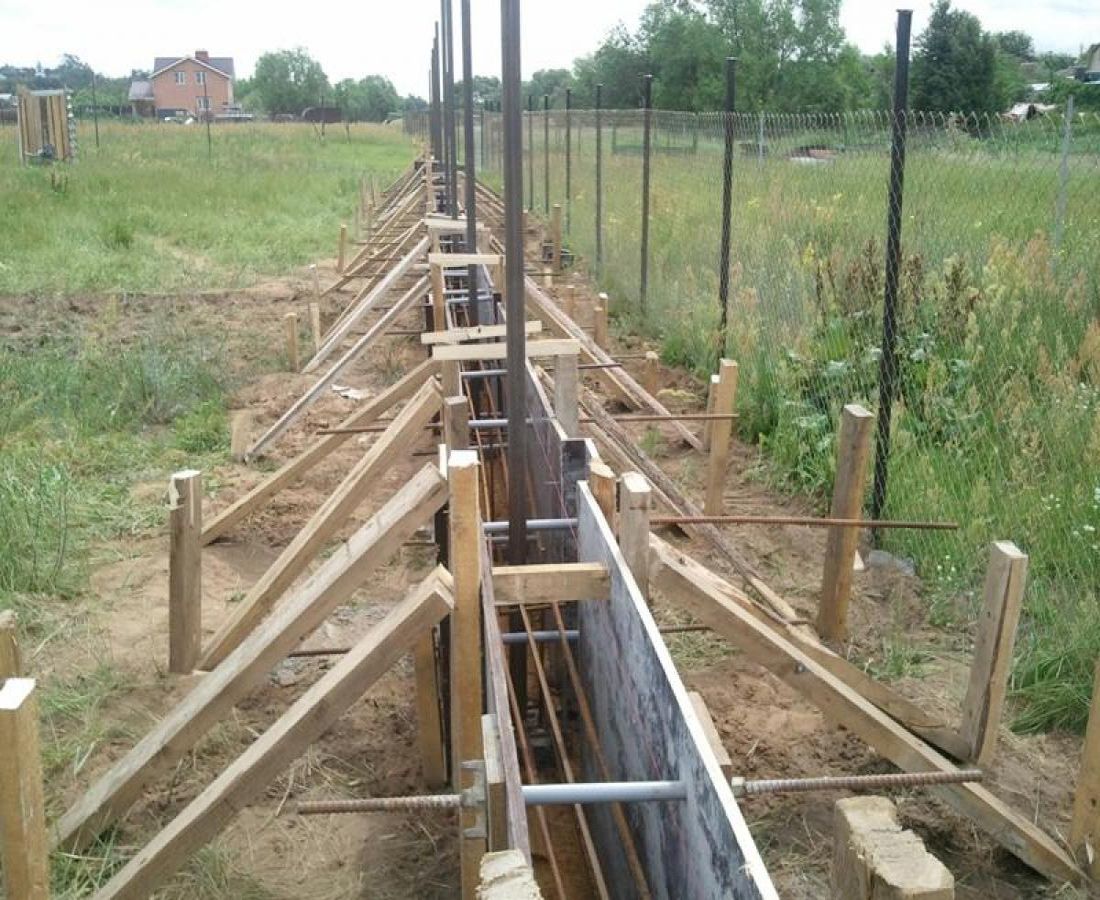
Several foundation formats are commonly used for heavy fences. Selecting the right one takes into account the soil type, weather conditions, and the intensity of use of the structure. Most commonly used for such purposes are columnar, strip, and screw-in fence foundations, the cost of which will vary depending on their performance characteristics.
Recommended for installation in areas with dense, dry soil, it prevents ground movement. It's considered the most affordable option, as it doesn't require digging a deep trench for the fence. Foundation installation involves preparing the site, creating a sand cushion, drilling holes for the brick pillars, installing the supports, and then filling the holes with a concrete mixture of cement, crushed stone, and sand.
This type of foundation will be somewhat more expensive, as it is more labor-intensive and requires several stages of fence construction. Initially, a trench must be dug manually or using specialized equipment. Next, foundation formwork is installed to create a mold for grade M300 concrete. Following this, the foundation is reinforced using a special frame. The final stage is pouring the concrete into a monolithic strip, which must be held in the formwork until it completely hardens.
This type of foundation can be used for both heavy and light fences made of corrugated sheet metal. It is typically installed on sandy and loamy soils, as well as in areas with high groundwater levels. The installation process involves drilling piles, either mechanically or manually, and installing concrete posts. The final stage is fencing assembly. Picket fencing, polycarbonate, and corrugated sheet metal are commonly used as the base materials.
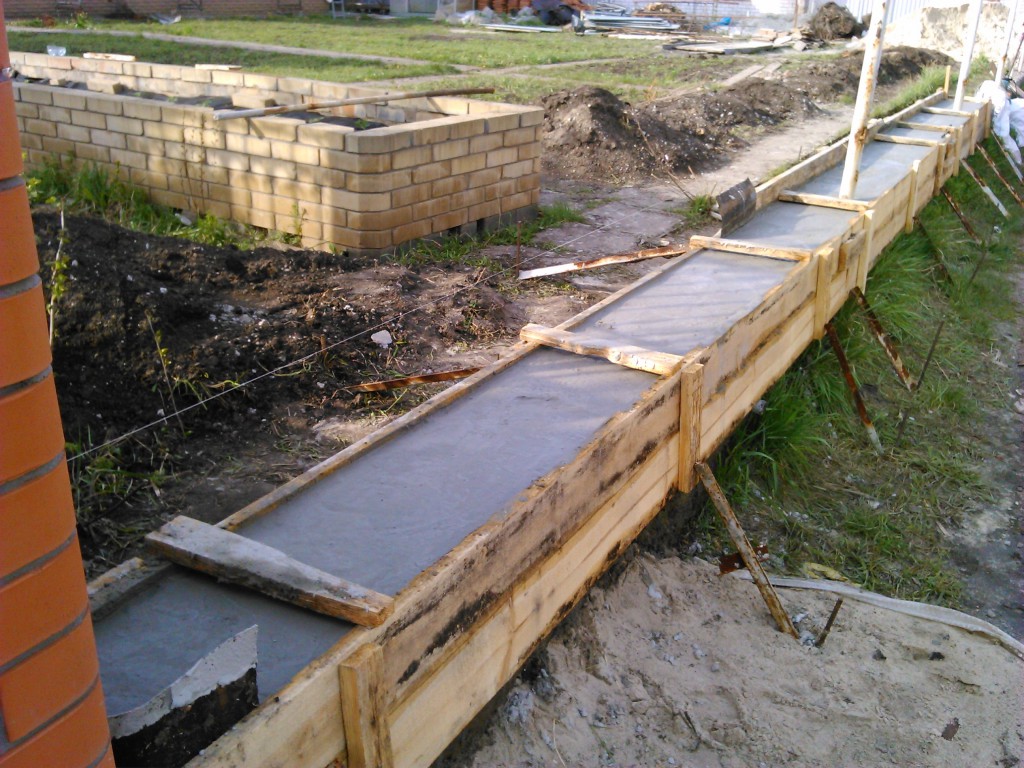
The type of foundation isn't the only factor that directly impacts cost. Of all the above, columnar foundations are considered the most affordable.
Furthermore, the cost depends on the fence's dimensions, specifically its length and height. A DIY foundation can reduce the cost of the work.
Fences made of heavy materials will require a deeper foundation, which increases the cost. Other factors that can increase the cost of the project include the complexity of concrete work under unusual site conditions and the remoteness of the site, which requires material delivery.


