We have been working since 2008
and provide high-quality services
5
Rating based on
reviews from our
customers
Daily from 8:00 to 20:00
We have been working since 2008
and provide high-quality services
5
Rating based on
reviews from our
customers
Daily from 8:00 to 20:00
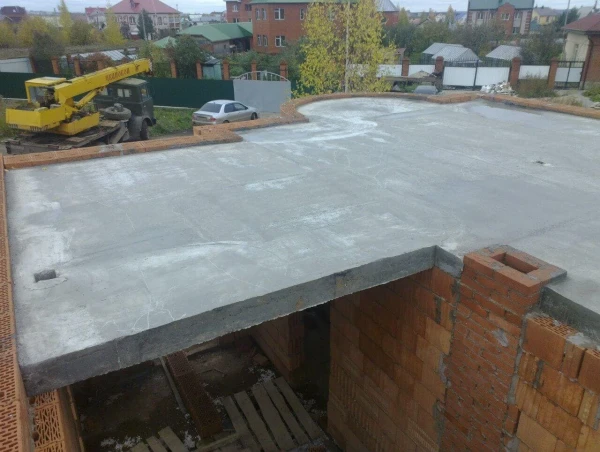
In terms of technical specifications, a reinforced concrete slab is a rectangular or square product used to cover openings in buildings or structures. This format can be used for virtually any construction project, including road construction. The advantage of beam slabs is the relatively low material consumption and the ability to form the slab on-site. Another advantage is the absence of joints, ensuring the structure's integrity and strength. Furthermore, the monolithic format guarantees long-term operation without maintenance.

Work of this type is usually performed by specialized construction companies, as the process itself requires specialized equipment and machinery. At the initial stage of floor slab installation, preparation for pouring should be carried out. This process involves project analysis, selection of required materials, and formwork installation. Engineers review the load-bearing drawings, determine the slab's load-bearing capacity, and specify the cement grade. M300 concrete is most often used for this type of work.
Next, formwork must be created for the floor slabs. This will serve as the foundation for the future monolithic slab. The main requirements for formwork are strength, tightness, and evenness. The material for the structure must be thoroughly cleaned, leveled, and treated with an anti-adhesive agent to prevent the concrete from sticking to the walls. Installing modular formwork is an excellent option—it significantly speeds up the process and simplifies dismantling.
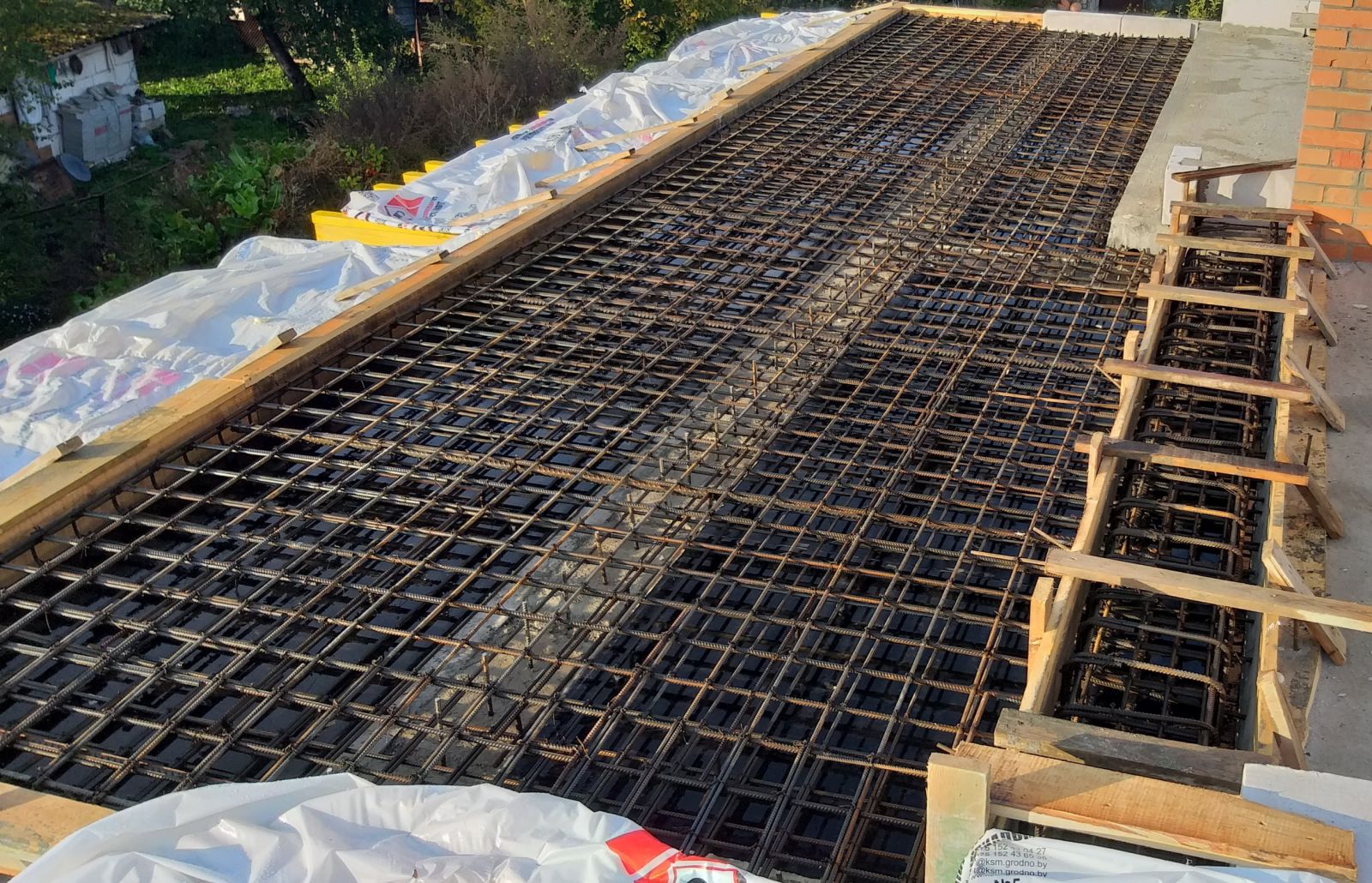
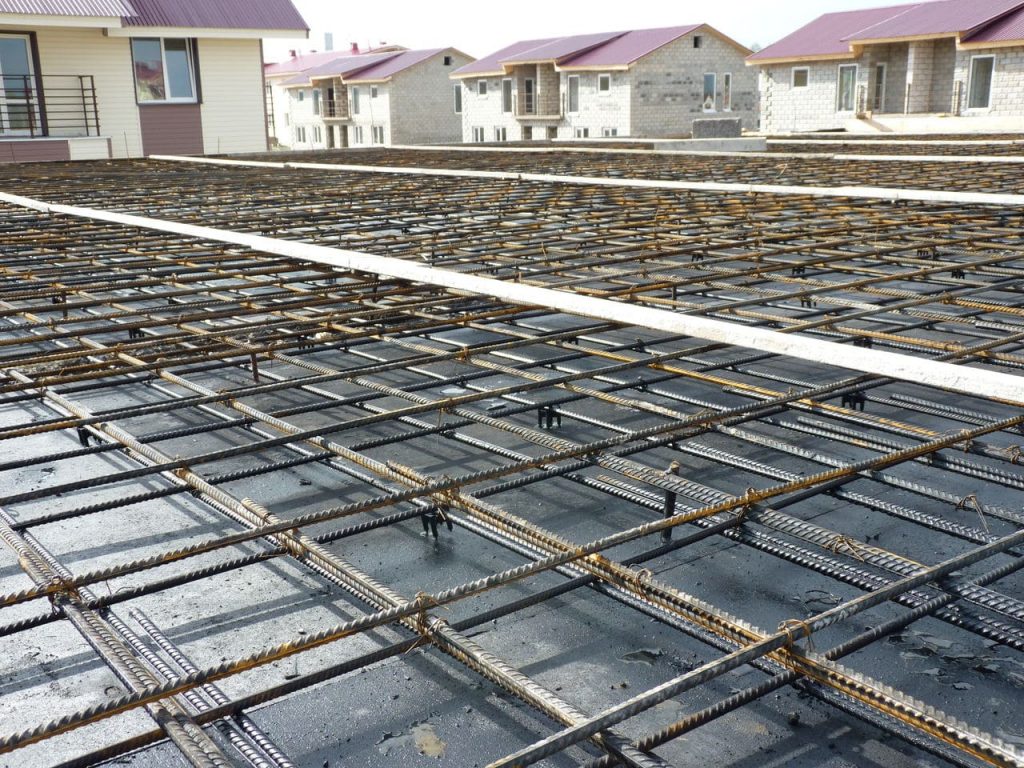
Reinforcement ensures the high strength and stability of the structure. The constructed reinforcement cage bears the main load and is constructed in accordance with the design documentation. Corrugated reinforcement with a diameter of 10-16 mm is most often used. The cage should be laid in two layers, creating a protective layer of at least 20 mm. Before concreting, the floor reinforcement pattern must be checked. If necessary, it is advisable to reinforce the structure with additional bars at the support points.
Pouring the concrete is the final stage, ensuring a continuous process. The concrete mix is delivered using a pump or mixer and evenly distributed over the surface. It is extremely important to use a vibrator to eliminate voids and ensure firm contact between the mix and the reinforcement.
Temperature control should also be considered: in hot weather, the concrete should be covered and periodically moistened. In cold weather, it should be covered with thermal insulation material. The formwork can be removed after 4-6 days, but it is advisable to use the slab after at least 28 days - when the concrete has reached the required strength level.
By entrusting such work to the specialists at RСC ALBA, you can be assured that they will deliver a complete project as a turnkey service. Another advantage of this partnership is the ability to obtain a price quote before placing your order. Our specialists offer to prepare an estimate that takes into account the cost of materials, the specifics of the work, and other factors.
When deciding to concrete the slab yourself, the following mistakes can be made:
Neglecting to use a vibrator. This can result in voids forming in the concrete, weakening the slab and potentially causing failure.
Incorrect placement of the reinforced concrete belt elements also reduces the slab's stability and leads to cracks.
Design errors in the formwork can cause deformation under the weight of the concrete mix, allowing it to sag through cracks, or creating an uneven surface.
Therefore, it is crucial to monitor every step, but it is even better to entrust this work to professionals. This will ensure a strong and safe concrete slab for years to come.