We have been working since 2008
and provide high-quality services
5
Rating based on
reviews from our
customers
Daily from 8:00 to 20:00
We have been working since 2008
and provide high-quality services
5
Rating based on
reviews from our
customers
Daily from 8:00 to 20:00
13 October 2025
Concrete is a material used almost universally in repair and construction work. The process itself involves a specific sequence of steps. First, a mortar is prepared, the main component of which is cement. The choice of mortar is based on its key characteristics.
Crushed stone or gravel is used as aggregate, which significantly reduces the cost of the material and also provides the required strength to the finished structure. Sand, a finer aggregate that allows for the combined use of various additives, can also be used. Water acts as a binding agent for these components.
Concrete is mixed in varying proportions. For example, grade 300 cement requires 1.9 kg of sand and 3.7 kg of crushed stone per 1 kg of material. The subsequent preparation process is as follows:
The area where the concrete will be poured is thoroughly cleaned. Reinforcement elements are also cleaned if necessary. If a cement film appears on the surface of the finished mortar, it must be removed before work.
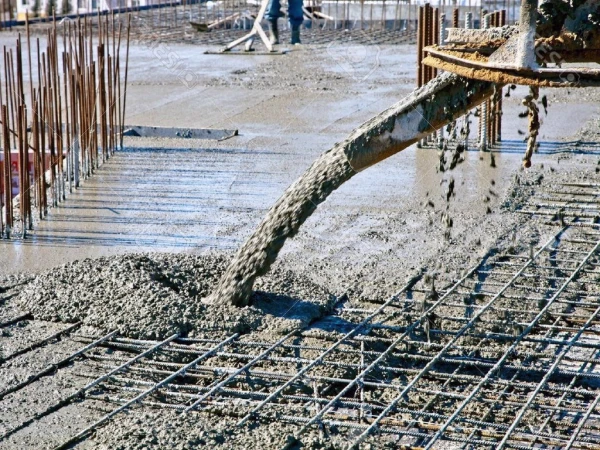
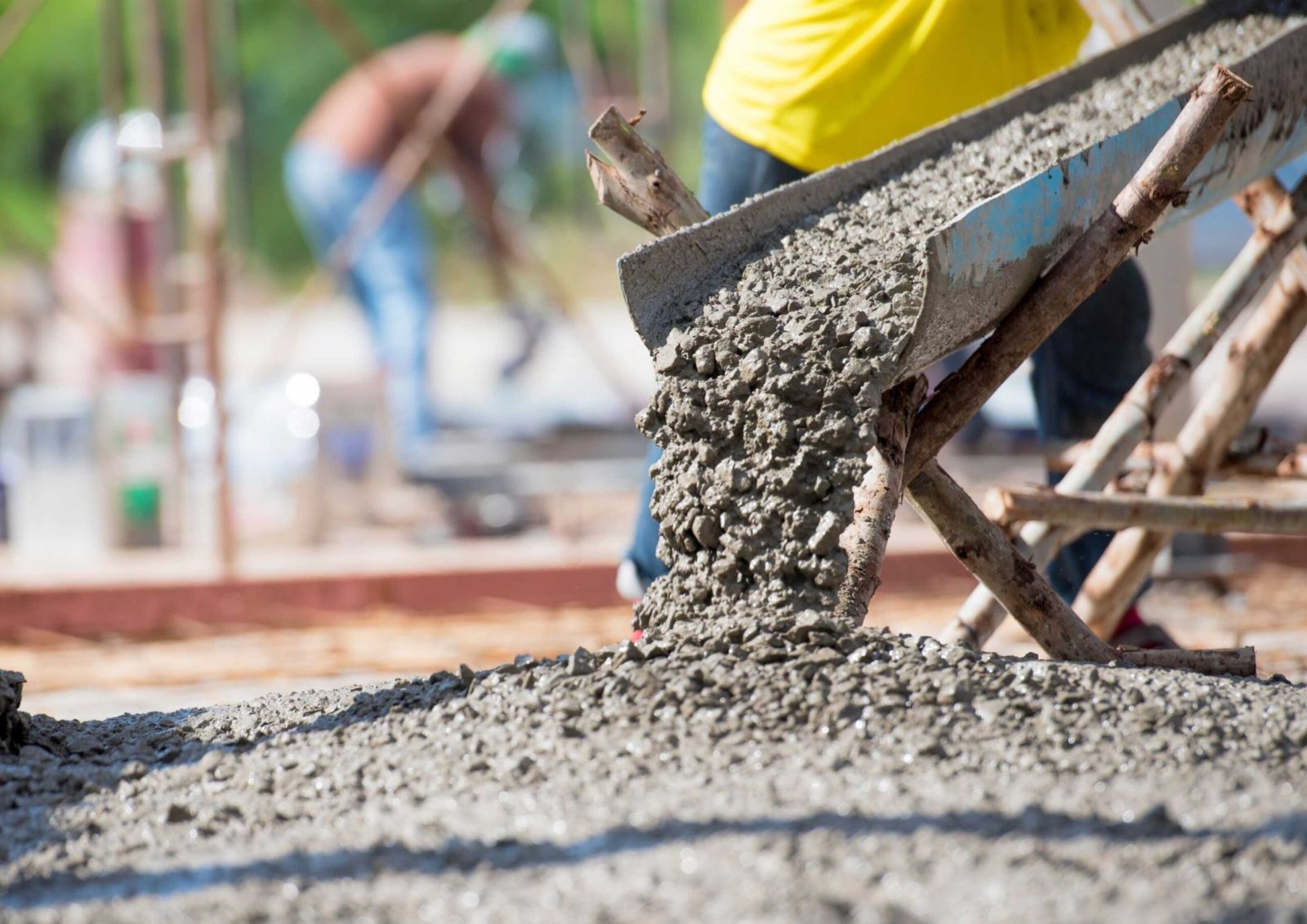
This process involves several methods. In the first case, the concrete is unloaded directly onto the formwork, provided the mixer has access to the area being processed. In the second case, concrete guides are used. These are typically made from pipe or board sections. The concrete is delivered manually. If walls and columns need to be formed, a concrete pump truck must be used exclusively.
Shovel or special devices are used to move the concrete horizontally only. The process must be completed as quickly as possible to avoid damage to the structure. At this stage, beacons, frames, and reinforcing bars, which are installed in advance, are often used.
This is the final step, often requiring a construction vibrator. If you don't have the specialized tool, you can do it yourself. The concrete processing time is approximately 5 to 15 seconds per section.
After the mortar has dried, the surface must be smoothed. A special grinding machine will be required to create a smooth surface.
.jpg)
To ensure the concrete pour is as durable and effective as possible, it's important to avoid some of the most common mistakes:
Mistakes during concrete preparation are most often made by amateurs. It's also important to create the formwork, select the right reinforcement materials, and use specialized concrete additives. If you lack the necessary knowledge and skills, it's best to seek help from professional concrete workers. Only then can you be sure of the strength and reliability of the concrete structure.