We have been working since 2008
and provide high-quality services
5
Rating based on
reviews from our
customers
Daily from 8:00 to 20:00
We have been working since 2008
and provide high-quality services
5
Rating based on
reviews from our
customers
Daily from 8:00 to 20:00
06 October 2025
.jpg)
Proper selection and purchase of building materials is the most important consideration at the outset of construction. It's also crucial to ensure you have the right tools. Concrete is mixed using cement, sand, crushed stone, and water. Many users prefer to order ready-to-use materials, such as M200 or M300 concrete. Reinforcement bars are also required to strengthen the structure. The diameter of these bars should be at least 10-16 mm.
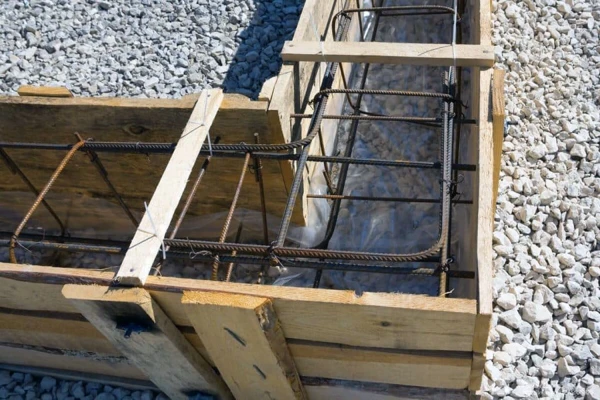
Gravel or crushed stone will also be needed to form the so-called protective cushion. Preparatory work involves creating formwork, which allows for the geometry of the future structure to be shaped. This formwork is made from wooden panels or metal profiles.

The foundation pouring process involves the following steps:
Finally, the foundation should be poured. Concrete is placed over the entire formwork and compacted, resting on the reinforcement cage. The surface is then leveled and smoothed. The pre-curing period is approximately 5-7 days. It is extremely important to periodically water the surface of the structure and cover it with plastic film. This is necessary to protect the concrete from cracking. The formwork should be left in place for at least 3-4 weeks—this is the time it takes for the concrete to fully cure.
The top of the structure is then treated with bitumen waterproofing, after which the blind area is formed.
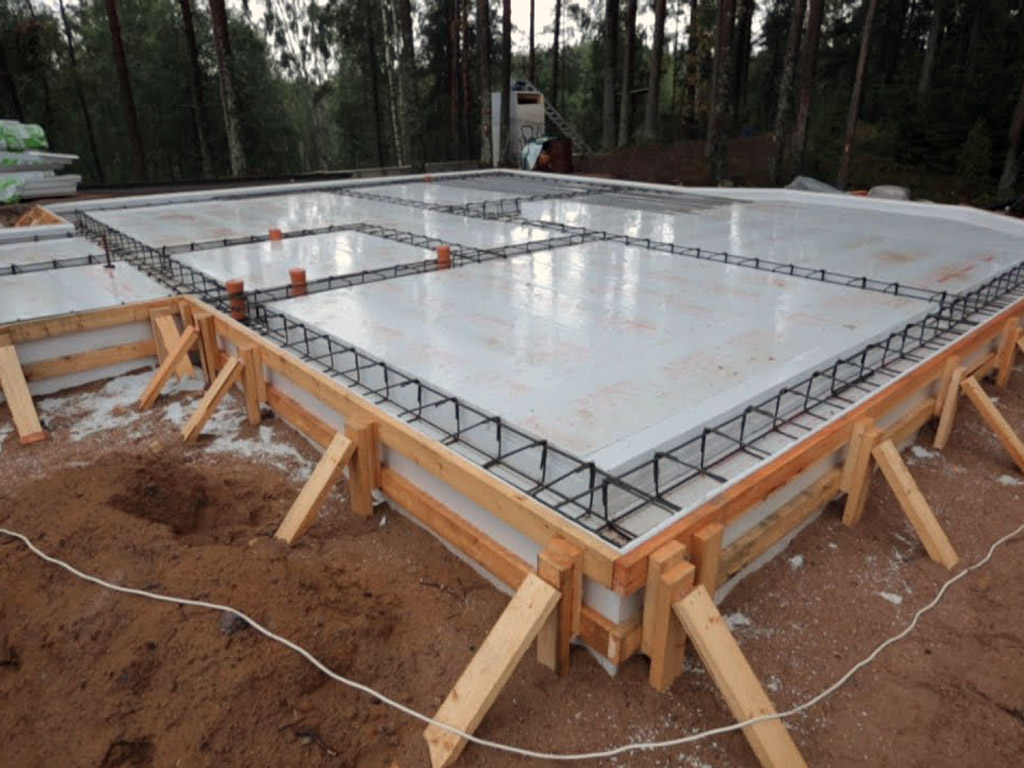
Most often, mistakes are made due to insufficient attention to the specific soil conditions. Without soil testing and incorrect calculations, cracks may appear in the structure, and the walls will gradually crack and collapse. It is crucial to pay attention to the following:
To ensure that the foundation serves as the foundation for reliable and safe construction, it is advisable to entrust this work to professionals. Construction companies offering this type of service perform all operations on a turnkey basis, delivering a ready-to-use structure to the client. This way, you will be protected from errors, and the building erected on the foundation will serve you for as long as possible.